Common questions
Does homeowners insurance cover fire damage restoration in Independence?
Yes. Fire is a named peril in Missouri homeowners policies, so the structure, smoke and soot cleanup, contents, and firefighting water damage are covered, subject to your deductible and limits. Independence has many older homes, and two clauses are worth an early look: ordinance or law coverage, which pays to bring repaired work up to current code, and any wood stove or fireplace endorsements if a solid-fuel appliance was involved in how the home is heated. Neither changes whether fire is covered. Open the claim the day of the fire and ask both questions in the first call.
How much does fire damage restoration cost?
The national frame from Angi (2026): most fire restoration projects run between about $3,100 and about $52,000, with an average near $27,500, and cleanup commonly priced at $4 to $7 per square foot. Independence jobs sort the same way: a contained kitchen smoke cleanup can start under $1,000, a one-room fire with smoke through the house lands in the tens of thousands, and structural fires go higher, with older-home code work adding to rebuild totals. Missouri pricing sits near national averages, so the published range is a reasonable planning guide. Insurance pays covered losses above the deductible.
What should I do first after a house fire in Independence?
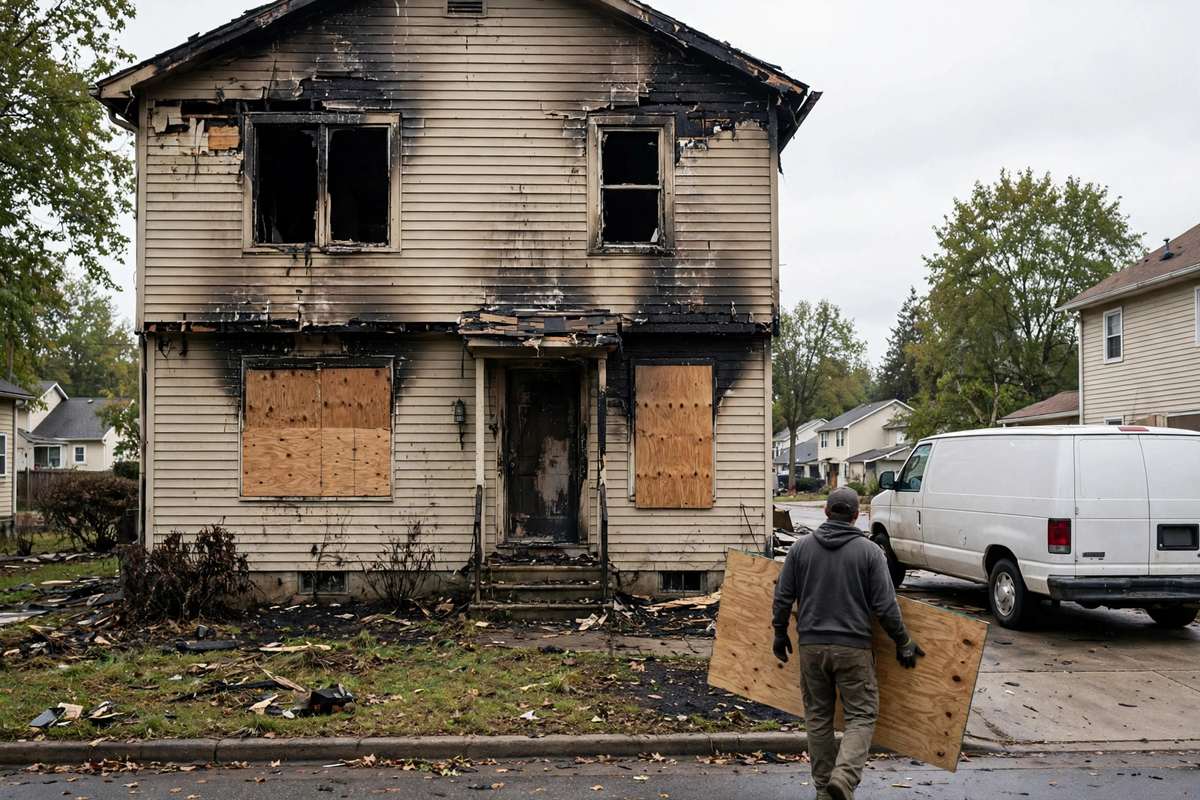
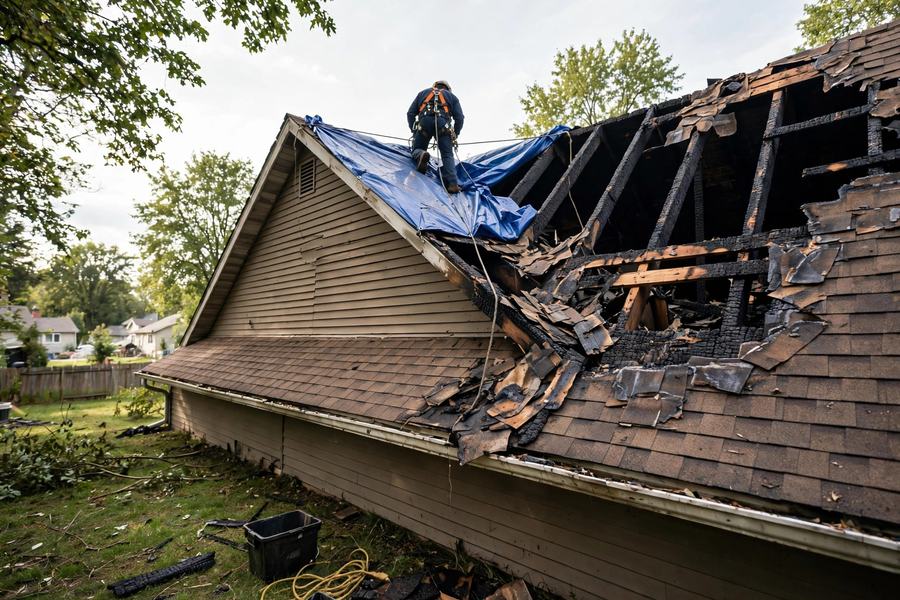
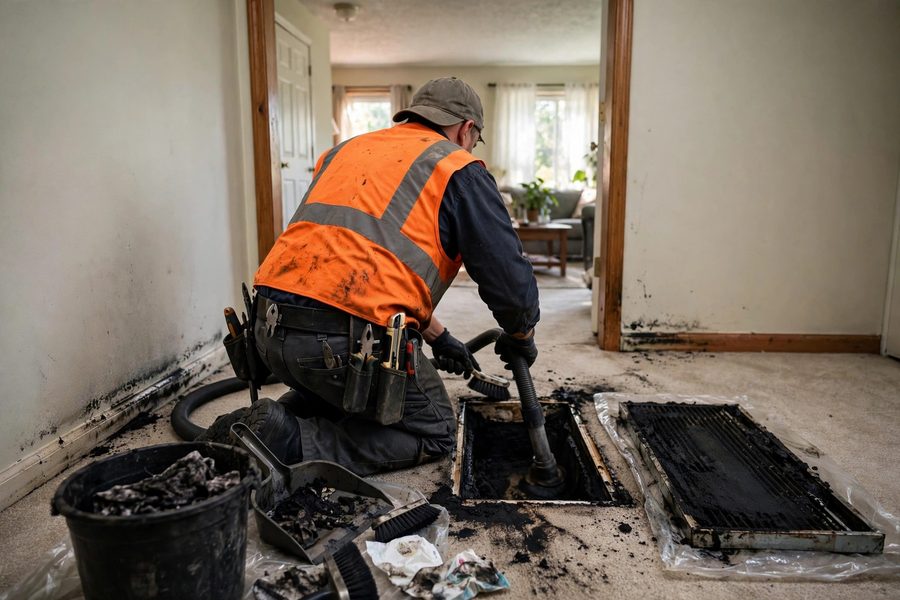
Do not go back in until the fire department releases the home. Call your insurer the same day and open the claim. Get openings boarded and roof damage tarped right away; Missouri weather swings fast, and your policy expects you to prevent further damage. Photograph every room before anything is moved, including the basement and attic. Keep damaged items for the adjuster, do not wash soot off walls, and keep the furnace off until the system is inspected, because running it pulls soot through the ductwork into rooms the fire never reached. Save receipts for the securing work.
Can I stay in my home after a fire?
A contained fire with utilities on, clean air in the sleeping areas, and no structural damage can be livable with the work zone sealed. Heavy soot throughout, a damaged panel, or no heat during a Missouri cold snap means moving out; a home without a working furnace in January is not habitable regardless of soot. Residue is also a lung irritant, so children and anyone with asthma should not sleep in a home mid-cleanup. When the home is judged unlivable, loss of use coverage typically pays for a hotel or rental, so let the professional assessment make the call.
How long does fire restoration take?
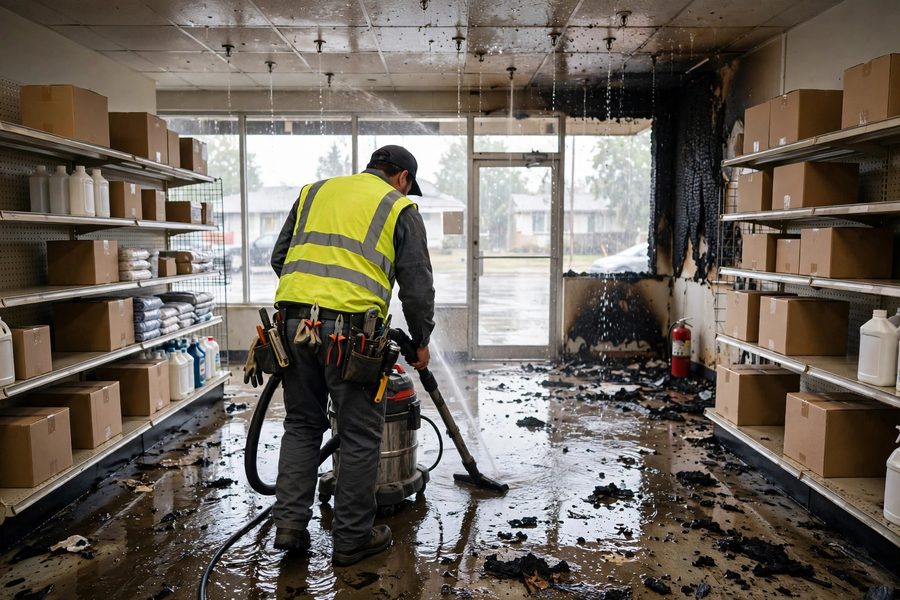
Emergency work is measured in hours: board up, tarping, and water extraction on day one, drying over several days with logged readings. Cleaning, soot, smoke, odor, and contents, generally takes one to two weeks. The rebuild is the long phase: a single room can be a few weeks, while structural repairs with permits and inspections run several months, and older Independence homes can add time when code upgrades join the scope. Most moderate fires here are fully resolved in about two to four months. Reconciling the contractor scope with the adjuster scope in week one is the move that protects the calendar.
Can I clean soot and smoke damage myself?
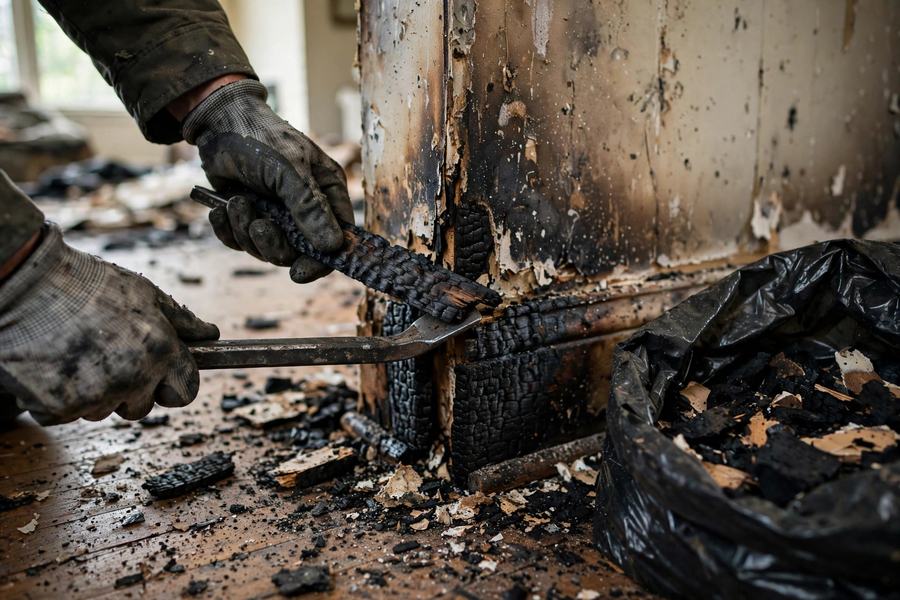
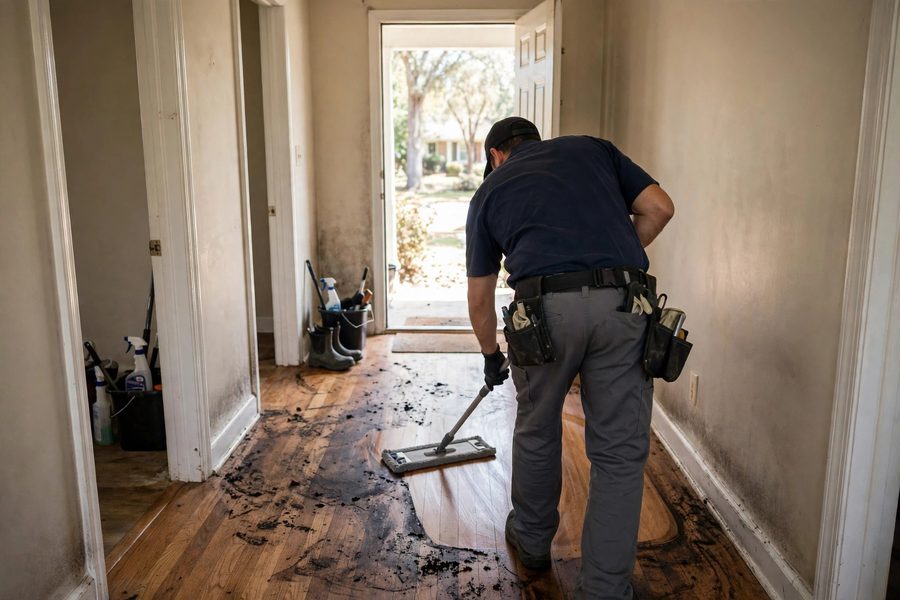
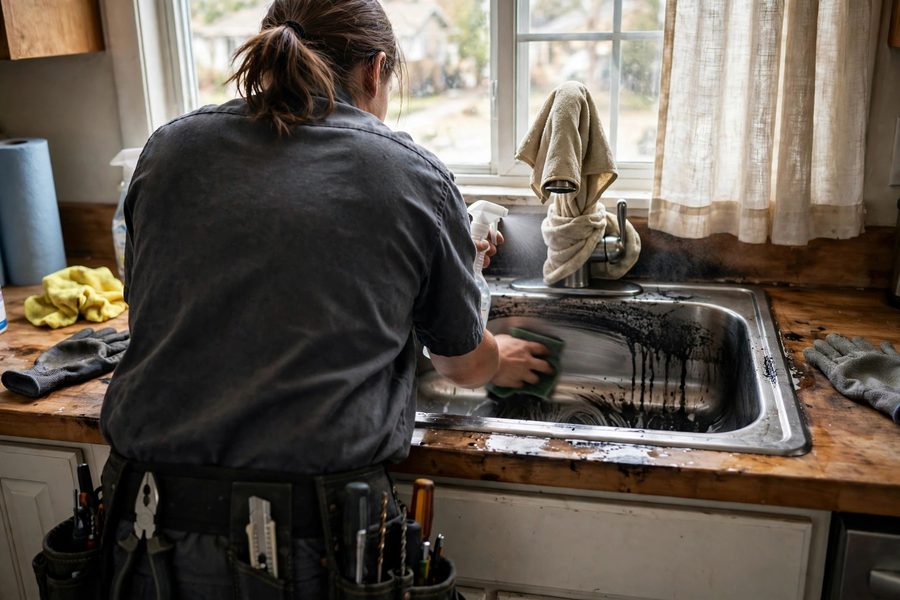
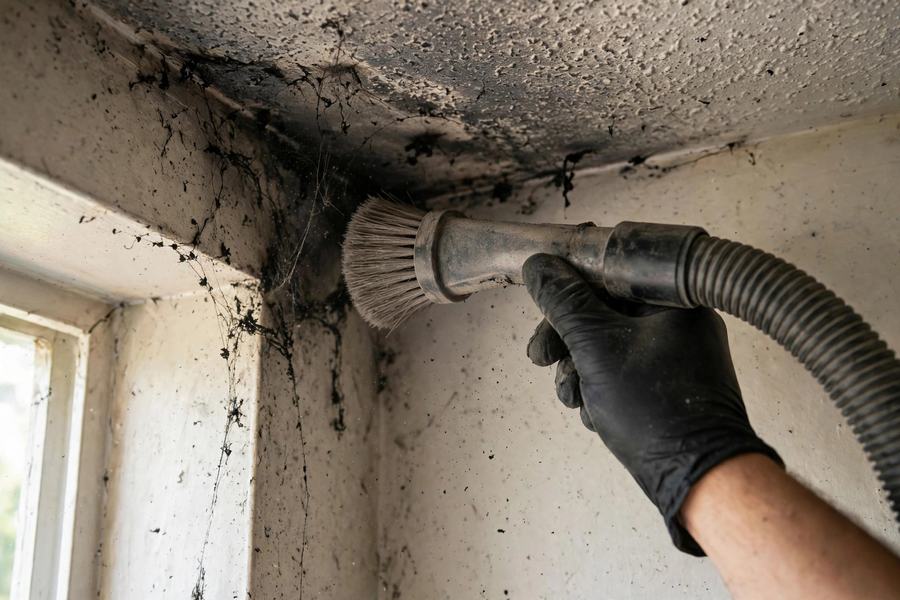
Handle the camera and the inventory, not the scrub brush. Soot is acidic and abrasive; the wrong cleaner drives it into paint and drywall and converts a liftable residue into a permanent stain, and smoke residue from burned synthetics is hard on lungs over hours of close work. Crews test a hidden patch first, start with dry sponges, and select wet methods surface by surface. The Missouri trap is the furnace: do not fire it up to warm the house before the ducts are checked, or the system will coat clean rooms with soot in a single day of heating.
Will insurance pay for temporary housing after a fire?
When a covered fire makes the home unlivable, the loss of use part of your policy pays the additional cost of living elsewhere: a hotel or rental, the increase in food spending, and similar documented expenses, up to your limit. Independence and the eastern Kansas City suburbs have workable extended-stay options, but winter fires compress supply, so raise housing with your adjuster in the first conversation and ask about insurer-placed housing. Keep every receipt from the first night out of the home; this coverage pays against documentation, and it covers added costs, not your mortgage or regular bills.
What is board up and why does it have to happen the same night?
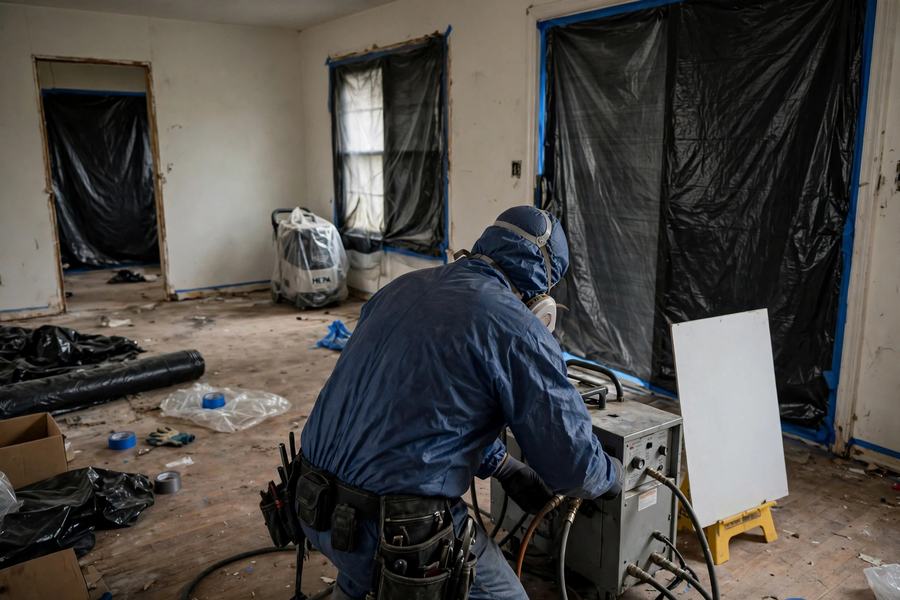
Board up is closing the home the same day: fitted plywood over broken windows and doors, tarps anchored over roof openings, and locks set. In Independence it cannot wait because of what Missouri weather does next: rain or snow through a roof opening multiplies the damage, and in winter a home without heat can freeze and burst its pipes, stacking a water loss on top of the fire loss. An open, empty, damaged house also invites theft, and your policy requires reasonable steps to prevent further damage after a covered event. The work is photographed and normally part of the claim.
See all questions →
Local guides